
How to Start a Junk Removal Business
Starting a junk removal business is the perfect startup for beginners. You can get set up with a minimal investment and begin bringing in profits right away!
5/8/202414 min read
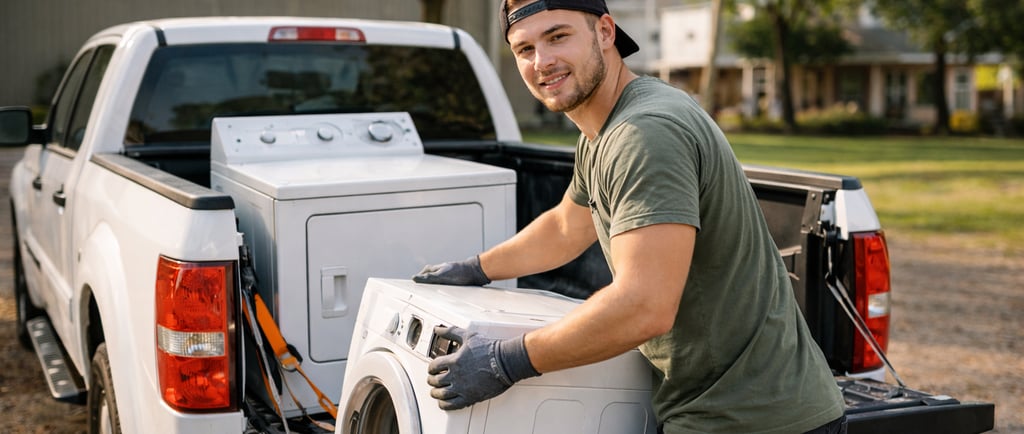
How to Start a Junk Removal Business From Scratch
Starting a junk removal business is one of the most practical ways to make money from zero. You don’t need special certifications, a storefront, or years of experience. If you’re willing to work, lift items, and learn as you go, this can be a great beginner business.
A junk removal business involves picking up unwanted items from homes or businesses and properly disposing of them. This can include furniture, appliances, yard debris, construction waste, or general clutter. Customers pay you for convenience — they don’t want to haul, lift, or dump the junk themselves.
One reason many beginners choose this path is because the barrier to entry is low. Many people start with:
A pickup truck or trailer
Basic tools
A small marketing effort
A willingness to learn pricing and logistics
You can start part-time, take jobs on evenings or weekends, and grow at your own pace.
Another advantage of learning how to start a junk removal business from scratch is demand. People constantly move, remodel, clean out garages, or inherit properties. Junk removal is needed in almost every city and neighborhood.
This business also scales well. Some people stay solo operators making extra income, while others grow into full-time businesses with trucks, employees, and repeat clients.
For beginners who want a simple, service-based business with real earning potential, junk removal is often one of the easiest places to start.
Is Starting a Junk Removal Business Right for You?
Before committing to a junk removal business, it’s important to understand what the work actually involves. While it can be profitable and simple to start, it is physical, hands-on work, and it’s not always comfortable.
Most junk removal jobs include lifting heavy items, loading them into a truck or trailer, and disposing of them at a landfill, recycling center, or donation site. Jobs can range from quick curbside pickups to full property cleanouts that take several hours.
You’ll also need to be prepared to work in all kinds of conditions. Junk removal doesn’t stop for weather. You may find yourself working:
In the rain, snow, or extreme heat
Early mornings, evenings, or occasionally at night
In tight spaces like basements, garages, or crawlspaces
Another reality many beginners don’t expect is the smell. Old furniture, trash, refrigerators, and storage cleanouts can smell very bad. Being able to tolerate unpleasant odors is part of the job.
This business is best suited for people who:
Are comfortable with physical labor
Don’t mind working in uncomfortable conditions
Are reliable and show up on time
Can communicate clearly with customers
Are willing to learn pricing and basic business skills
There are clear advantages to starting a junk removal business. Startup costs can be low, demand is steady, and scheduling is flexible. Many people start part-time and grow only when they feel ready.
There is also extra income potential beyond hauling. Many junk removal business owners resell items they collect, such as furniture, appliances, tools, or scrap metal. Selling usable items online or locally can significantly increase overall profits if done responsibly and legally.
Learning how to start a junk removal business means being honest with yourself about the realities of the work. If you’re willing to handle tough conditions and stay consistent, this business can be a strong option for beginners looking to make real money.
How Much Money Can You Make in a Junk Removal Business?
How much you make in a junk removal business depends on your pricing, efficiency, and how well you maximize each job. Many beginners are surprised to learn that junk removal income doesn’t come from hauling alone — reselling and scrap can significantly increase profits.
Typical Junk Removal Pricing
Most junk removal businesses price jobs in one of these ways:
Price per truckload or portion of a truck (¼ load, ½ load, full load)
Price per square foot for larger cleanouts
Flat-rate project bids for big jobs like estate cleanouts or hoarder homes
Labor-based pricing for specialty items or difficult access
For beginners, pricing by volume or square footage is often the simplest. For example, charging based on how much space the junk takes up in your truck or trailer helps customers understand pricing quickly.
For larger projects, such as property cleanouts, foreclosure cleanups, or estate cleanouts, many businesses create custom project quotes or bids. These bids account for:
Labor time
Number of trips
Disposal fees
Equipment usage
Potential resale value
Learning how to start a junk removal business includes learning when to bid a job instead of using simple pricing.
Making Extra Money Beyond Hauling
One of the biggest advantages of junk removal is that not everything you haul is worthless.
Many operators make additional income through:
Scrap Metal
Copper, aluminum, steel, and brass can be sold to scrap yards
Old appliances and wiring often contain valuable metal
Scrap money can add up quickly (depending on current scrap market prices)
Reselling Items
Furniture, tools, appliances, and collectibles can be resold
Antique stores and local auction houses may buy quality or vintage items
Online platforms like Craigslist, OfferUp, and eBay are common resale outlets
Garage Sales
Holding occasional garage sales is an easy way to move inventory quickly
This is especially useful for items that aren’t worth listing individually online
Dump or Donate Cheaply
Know the donation places on your daily routes - Value Village, Goodwill, Habitat for Humanity Restore, or even Shelters (check their websites for what they take and don’t take)
ALWAYS get a donation receipt. Write the realistic value of each item dropped off and save hundreds to thousands of dollars each year during tax time.
Got a large amount of Yard Waste? If there are no noxious weeds, you can usually dump for a lesser fee in the yard waste section of the dump
Have rocks or concrete? Call ahead to your local concrete/ rock recycler and find out how much they charge for weight. Dump your rocks and concrete there for a minimal fee.
If you bring these products to a garbage dump that charges by weight - it will be painful on your pocketbook!
Scrap Metal - Again, call ahead to know what they take and don’t take - this could save you over a hundred dollars a day.
Let’s say a vacuum store goes out of business and wants you to remove all of their good and bad vacuums. First, keep any good vacuums for resale later. Second, cut all of the cords and put in a garbage can to scrap as copper wire later. Then, dump all of the vacuums that are mostly metal at the scrap yard. Throw out the rest at the garbage dump.
These resale and scrap opportunities can turn what would have been dumped junk into pure profit, especially on cleanouts where customers don’t want anything back.
Realistic Income Expectations
A single junk removal job can range from small pickups under a couple of hundred dollars to several thousands of dollars for larger cleanouts. When reselling and scrap metal are added, total earnings per job can increase significantly.
Beginners often start part-time and gradually increase income as they:
Improve pricing accuracy (careful, one job bid that’s too low can cost you thousands!)
Reduce disposal costs (think of how much you save donating, rather than dumping items)
Learn which items are worth reselling (you’ll be surprised how much you can resell)
Complete jobs faster and more efficiently
Learning how to start a junk removal business the right way means understanding that income comes from both hauling and smart decision-making.
Junk Removal Business Startup Costs
One of the most common questions beginners ask is, “How much money do I need to start a junk removal business?” The good news is that you can start small and keep costs manageable. Startup expenses vary depending on how much equipment you already have, the size of your truck or trailer, and how professional you want to appear from day one.
Low-Budget Startup Option
If you’re just getting started, you can launch with a minimal investment:
Truck or trailer – Use your own vehicle and/ or trailer if possible and make sure you have good insurance coverage. Renting a trailer is also an option. A dump trailer will make dumping quick, saving time and labor. Cost: $100–$5,000
Basic tools & equipment – Gloves, ratchet straps, a hand truck, garbage bags, a reciprocating saw, basic tools, and a clipboard. Cost: $200–$400
Marketing – Flyers, business cards, and posting online. Cost: $50–$200
Licenses & insurance – Optional at first, but recommended. Cost: $100–$500 depending on location and coverage
With these basics, you can start part-time and take your first jobs without spending a fortune.
Medium Investment Option
If you want to start with more capacity and a professional look:
Buy a used pickup truck or small box truck – $5,000–$15,000
Buy a trailer for additional hauling, preferably a dump trailer – $750–$5000
Get a full set of tools & safety equipment – $300–$800
Purchase a business license & liability insurance – $300–$1,000
Create marketing materials & online ads – $200–$500
Starting with this setup allows you to take larger jobs and scale faster while keeping expenses under control. Also, check out our equipment list near the end of this article so you know exactly what to buy.
Costs to Consider
Disposal fees – Landfill or recycling costs per load
Fuel – Gas or diesel for trips
Vehicle maintenance – Tires, oil changes, repairs
Labor - Hourly wages + insurance
Resale, refurbish, and storage – If you plan to sell items you collect, consider storage and refurbishing costs
Tips to Keep Costs Low
Start with your own truck or trailer and basic tools
Get inexpensive work gloves at Harbor Freight, go to the Habitat Restore and get used tools, use free apps like BuyNothing to request miscellaneous equipment for free - you pick it up, save hundreds! Go to garage sales and clearance events too.
Focus on part-time jobs first to generate cash before upgrading
Get on apps like Thumbtack and TaskRabbit and offer your services
Rent specialized equipment if needed instead of buying new (saws, excavators, etc.)
Rent commercial garbage containers for big jobs
This way you cut down on time, labor, and gas since you won’t be driving to and from the dump, which could be far away.
Use free or low-cost marketing channels like Craigslist, Google Business, Facebook Marketplace, and local boards for your flyers. Go to free business networking events in your best polo shirt and hand out your business cards.
Starting small allows you to learn the business, gain customers, and reinvest profits as your business grows. Many beginners start under $1,000 and scale to full-time income within months.
Junk Removal Services to Offer Customers
When learning how to start a junk removal business, it’s important to know the types of services you can offer. Offering a variety of services helps you attract more customers and increase income. While you don’t need to do everything at first, having a clear list of options lets clients know what you handle.
Here are some common junk removal services beginners can offer:
Shed Removal – Old or broken sheds that homeowners want gone
Playground Equipment Removal – Swing sets, slides, and backyard play structures
Hot Tub Removal – Large hot tubs and spas, often needing disassembly or a good saw
Deck and Dock Removal – Wooden decks or patios that need to be torn down and hauled away; Also, boat docks that can be dismantled and hauled away
Yard Debris Removal – Leaves, branches, brush, and general yard cleanup
Appliance Removal – Refrigerators, stoves, washers, dryers, commercial appliances and other large appliances
Property Cleanouts – Full house cleanouts, including foreclosures or inherited properties
Hoarder House Cleanouts – Specialized jobs for extreme clutter or hoarding situations
Business Cleanouts – Offices, retail spaces, warehouse and commercial properties
Junk Car Removal – Old cars, motorcycles, or other vehicles for scrap
Furniture Removal – Sofas, chairs, tables, mattresses, and other household furniture
Garage Cleanouts – Organizing and removing junk from garages
Yard Cleanups – Seasonal cleanups, storm debris, or overgrown lot cleanup
Electronics Removal – TV’s, monitors, computers, audio and video equipment removal
Hazardous Material Removal – Could be a specialty service IF you can legally transport it and properly dispose of it
Piano and Pool Table Removal – Great specialty service, and items people often don’t know what to do with
Customer Demands that Could Stop You in Your Tracks
Hazardous Materials - Many people will request that they want hazardous materials removed (like a barrel of used oil, household hazardous materials, etc.) and if you say that you don’t take it they will say you don’t get the job.
It’s up to you and your local authorities (City, County, State) whether or not you can take hazardous materials OR if there’s even a local place for proper disposal by businesses. Take my advice - call around and find out first so you can tell a customer yes or no with confidence.
Paint - If you don’t take paint, you may not get the job. Be prepared to store many paint cans, and to dry the paint with sawdust or cat litter before disposal, because that’s what it will entail.
Water-based paint can go in the trash once dried out
Oil-based paint may be considered a hazardous material (talk to your local hazardous materials disposal authorities first)
Junk Cars - Customers will also say no if you tell them you don’t haul junk cars. If you can physically haul a junk car, check with your local licensing agency AND scrap yard to determine what you will need to do so.
You may need to be licensed and will almost always need the title from the customers, which they often don’t have.
Expectation of Free Service - Yep, there are always those customers who say that no matter what they have (literally garbage and old mattresses), that you’ll just resell it and pocket the money.
Always politely explain to them that this is not a free service you offer, and that if they decide to use your services, they will have to pay for them.
Tips for Offering Services
Start with what you can handle safely. You don’t need to do hot tubs or hoarder homes until you’re ready (hoarder homes require a lot of pricing knowledge)
Disclose limits upfront. Let clients know what size limits you have and what you won’t pickup (hazardous materials, paint, junk cars, etc.)
Specialty jobs can bring higher profits. Hot tubs, decks, and hoarder house cleanouts often pay more because they require extra labor and time.
Diversify your offerings over time. Begin with basic jobs like yard debris, furniture, and small cleanouts, and add more complex services as you grow.
Offering a wide variety of services lets beginners stand out from competitors and gives customers confidence that you can handle almost any junk removal need.
Pricing Your Junk Removal Services
One of the most important aspects of learning how to start a junk removal business is pricing your services correctly. Proper pricing ensures you cover costs, make a profit, and stay competitive in your area.
Common Pricing Methods
1. Price Per Job or Truckload
Many beginners charge based on the amount of space the junk takes in their truck or trailer.
Example: ¼ load = $85, ½ load = $160, full load = $310
If customers (or you) need a visual - use blue painter’s tape and mark off each area
This method is simple and easy for customers to understand.
Don’t forget to add the correct local tax to every pickup
2. Price Per Square Foot
For larger cleanouts like garages, basements, or attics, pricing by square footage can work well.
Example: $3–$6 per square foot depending on the type of junk and difficulty of removal.
3. Flat-Rate Project Quotes
For big jobs like property cleanouts, hoarder homes, or commercial spaces, a custom project quote is best.
Account for:
Labor time
Number of trips to disposal sites
Disposal fees
Equipment used (portable restrooms, generators, saws and saw blades, etc.)
Job Tip: Keep in mind that many hoarder jobs will be a minimum of a few days of labor and disposal. Make sure to account for that in your project bid.
4. Add Labor Cost per Pickup
Since most pickups will be completed within the first 15 minutes, give the first 15 minutes away free (customers love this). After 15 minutes however, charge a set amount an hour per 2 employees for each pickup (this is IN ADDITION to your other charges).
This will keep customers on task, rather than talking to your employees and dragging out the pickup, costing you money.
Figure out the labor per hour per employee cost (include wage, insurance, payroll taxes and benefits) and add 15% - this should be your additional labor cost per hour charge to customers.
This method works well for jobs that are unpredictable in time or complexity. It ensures you cover costs while still offering a fair hourly rate.
5. Extra Services and Fees to Charge Customers:
Junk car hauling, hazardous material removal, paint removal, concrete/ rock removal, hot tub removal, deck and dock removal, piano removal, pool table removal, and more.
Travel Time: Create reasonable travel fees for out of area services and always be up front with customers about those fees.
Think of what services your competitors don’t do - and profit from it.
Tips for Beginners
Don’t underprice — always cover disposal, labor, and vehicle costs.
Be transparent with customers about pricing structure.
Create a simple pricing sheet for small jobs and a formula for larger projects.
Adjust rates as you gain experience and efficiency.
Pricing your services correctly ensures that your junk removal business is profitable from the start. Combining fair pricing with additional income streams like resale and scrap maximizes earnings for beginners.
Finding Your First Customers
Once you’ve learned how to start a junk removal business and set up pricing, the next step is getting your first customers. Many beginners wonder where the jobs come from — the good news is there are plenty of ways to find customers, even with a small budget.
Start Local
1. Word of Mouth
Tell friends, family, neighbors, and colleagues that you’re starting a junk removal business.
Ask satisfied customers to refer you to others.
2. Flyers and Business Cards
Post flyers at local community centers, coffee shops, laundromats, food co-ops, grocery stores.
Hand out business cards when you meet potential clients and leave every customer with your business card
3. Local Boards & Classifieds
Use platforms like Craigslist, Facebook Marketplace, Nextdoor, Thumbtack and TaskRabbit to advertise services.
Include clear photos of past jobs (even small cleanouts) and your contact info.
Online Presence
1. Google Business Profile
Set up a free Google Business listing so your business shows up in local searches.
Encourage customers to leave reviews — positive reviews boost credibility.
2. Social Media
Facebook, Instagram, and TikTok can help showcase jobs and build trust.
Short videos of cleanouts or before-and-after photos attract attention.
Partnerships
1. Realtors & Property Managers
Realtors often need junk removal for homes on the market.
Property managers need cleanouts for rental turnover.
Attend marketing and real estate networking meetings and hand out your business cards
2. Contractors & Handymen
Contractors demolishing decks, sheds, or doing renovations may need debris hauled.
Stop by places where contractors are working and hand out business cards.
3. Estate Executors & Businesses
Estate cleanouts and commercial cleanouts are repeat opportunities if you form relationships.
Keep the customer’s numbers in your phone
Tips for Beginners
Start small and focus on quick, local jobs.
Take before-and-after photos for marketing and social proof (and for customers who challenge what you did)
Respond quickly to inquiries — prompt service builds trust.
Ask satisfied clients for referrals — word of mouth is extremely powerful.
Finding your first customers may take effort, but once you complete a few jobs, you’ll start building repeat business and referrals, which are the backbone of a successful junk removal company.
Scaling up Your Junk Removal Business
Get a logo
Get a business phone number
Create a website
Get a professional email address
Get your logo branded on shirts and vehicles
Magnets are a popular budget-friendly way to brand work trucks
Get to know the managers at the local recycle yards and hand out your business cards
Join your local Chamber of Commerce
Get a professional LinkedIn page
Buy a box truck or another pickup truck and dump trailer
Check with your local DOT, for any weight, size regulations
You can buy an old Uhaul truck, which is budget-friendly
Hire more laborers
Stay away from temp agencies. They charge a lot and it’s not easy to hire their workers permanently.
Do NOT hire from Craigslist - Use Ziprecruiter or Indeed
Think like a perpetual business person, seeing opportunities for new customers everywhere. Don’t be afraid to talk to people - you’ll get more business if you put yourself out there. Finally, always carry business cards with you; you never know when an opportunity will present itself.
The Ultimate Junk Removal Equipment List
Ironton Steel Pneumatic Hand Truck - 600lb Capacity Steel Dolly
AUGO Heavy Duty Ratchet Straps - 2200lb with Safety Locks
Pattiumo Heavy Duty Tarp - 16mil 10’ x 20’ Multipurpose Tarp
HPYNPES Anti-Fog Safety Goggles - 4-Pack
Inspire Black Nitrile Gloves - Heavy Duty 6mil Disposable Gloves
ESTWING Pry Bar - ¾” x 24” Steel Wrecking Bar
Reli. Contractor Bags - 55 Gallon Heavy Duty Trash Bags
Deeklify 50’ Extension Cord - Waterproof with 3-Cord Outlet Splitter
DeWalt Reciprocating Saw - Corded 12 Amp Saw
Yocada Heavy Duty Broom - 24” Commercial Broom
Ashman Heavy Duty Shovel - 41” Square Blade Shovel
NEOTRIL Safety Work Gloves - 3-Pack Breathable Work Gloves
TICONN Safety Work Vest - 2-Pack High Visibility Reflective Vest
Officemate Clipboard - Portable Plastic Case with Storage
PULITUO 20v Cordless Drill - Drill Kit with LED Light
DELI 355-Piece Tool Set - Comes with Storage Bag
Suncast Commercial Trash Can - 44-Gallon Utility Trash Can
Amazon Basics Wheelbarrow - Up to 330lbs Load, 3.7 Cubic Feet
LEMENT KN95 Face Masks - 50-Count Masks with Earloop
Buself Disposable Shoe Covers - 100-Count and Non-slip
LHKNL Headlamp Flashlight - 2-Pack Rechargeable Headlamp with Red and White Lights
AgroPro Heavy Duty Garden Rake - 58” Fiberglass and Steel Rake
VULCAN Car Tie-down - 3300lb 4-Pack, 2” x 96”
Conclusion: Final Advice for Beginners
Starting a junk removal business is one of the most accessible ways to make money, especially if you’re starting from zero. You don’t need a fancy office, expensive equipment, or years of experience. With a truck or trailer, basic tools, and a willingness to work hard, you can begin taking jobs almost immediately.
This business isn’t always easy. You’ll work in the rain, snow, heat, and sometimes at night. Some jobs smell bad. Some are physically demanding. But for many people, that effort turns into real income, flexibility, and independence. Every job you complete builds experience, confidence, and word-of-mouth referrals.
One of the biggest advantages of junk removal is the multiple ways to make money:
Getting paid for the removal job itself
Earning extra income from scrap metal
Reselling usable items online or locally
Donating items for potential tax benefits
Start small. Take the jobs you can handle safely. Learn as you go. Improve your pricing, efficiency, and customer service over time. Many successful junk removal business owners began with one truck, basic tools, and a simple plan — and grew from there.
If you’re willing to put in the work, stay consistent, and treat customers right, a junk removal business can be a powerful way to make money and build something of your own.
At How To Make Money For Beginners, we’re here to guide you step by step — from your first job to a growing business.
Want More Ways to Make Money?
Starting a business doesn’t have to be complicated — but having the right guidance makes all the difference.
Join our email list and get:
Beginner-friendly guides on real ways to make money
Step-by-step business ideas you can start from zero
Tools, tips, and resources to help you earn faster
New articles delivered straight to your inbox
👉 Sign up now and start building your income, one step at a time.
How to Make Money for Beginners
Explore our sleek website template for seamless navigation.
Contact
sign up for our Newsletter!
info@howtomakemoneyforbeginners.com
© 2026. All rights reserved.
Terms & Conditions